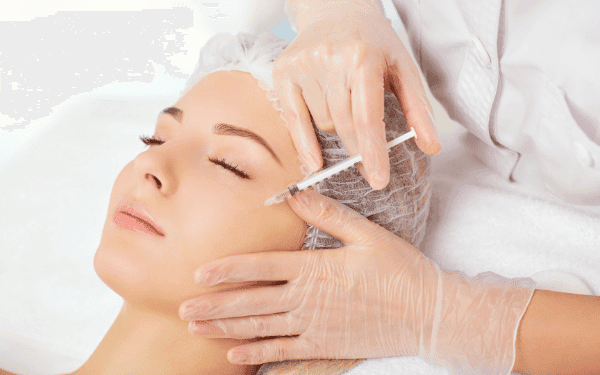
Beginner’s Guide to Preventative Botox: Everything You Need to Know About Early Wrinkle Prevention
Preventative Botox has become one of the biggest anti-aging trends among Gen Z and younger millennials. But what exactly is baby Botox, and when should you start Botox in your 20s? This beginner-friendly guide explains how preventative Botox works, its benefits, possible risks, and how early wrinkle prevention can help maintain youthful skin for years to come.

Everything You Need to Know About Early Wrinkle Prevention
Preventive Botox is no longer reserved for celebrities or people in their 40s and 50s. Today, more people in their 20s and early 30s are exploring “baby Botox” and early wrinkle prevention treatments to maintain smoother, younger-looking skin before deep wrinkles fully develop. Driven by social media trends, video-call culture, and growing awareness about skincare and anti-aging, preventative Botox has become one of the fastest-growing cosmetic treatment trends worldwide. According to experts, younger patients are now seeking subtle Botox treatments earlier to soften repetitive facial movements that eventually lead to dynamic wrinkles and fine lines.
But does preventative Botox actually work? Is Botox in your 20s too early? And what is the difference between regular Botox and baby Botox?
This beginner-friendly guide covers everything you need to know before starting preventative Botox treatments.
What Is Preventative Botox?
Preventative Botox refers to using botulinum toxin injections before wrinkles become deep, static, or permanently etched into the skin. Instead of treating severe lines after they appear, preventative Botox focuses on slowing wrinkle formation early. A study on the evaluation of the preventive role of Botox in facial aging has shown that it is a promising tool in the proactive management of early signs of aging.
The treatment works by temporarily relaxing specific facial muscles responsible for repetitive expressions such as:
Frowning
Squinting
Raising the eyebrows
Smiling
Furrowing the forehead
Over time, repeated facial movements create creases in the skin known as dynamic wrinkles. As collagen production naturally decreases with age, these dynamic lines can eventually become static wrinkles that remain visible even when the face is at rest. Preventative Botox aims to interrupt this process early by minimizing repetitive muscle contractions.
What Is Baby Botox?

Baby Botox is a lighter, more conservative approach to Botox treatment that uses smaller doses of neurotoxin injections for subtle, natural-looking results. Unlike traditional Botox treatments that may heavily relax facial muscles, baby Botox focuses on:
Maintaining facial expression
Preventing a “frozen” appearance
Softening early fine lines
Creating gentle wrinkle prevention
Many younger patients prefer baby Botox because it preserves natural movement while still helping reduce repetitive muscle activity. Dermatologists often recommend baby Botox for first-time patients or those in their 20s who only have mild expression lines.
How Preventative Botox Works
Botulinum toxin works by temporarily blocking communication between nerves and targeted muscles. When the muscles cannot fully contract, the overlying skin experiences less repetitive folding. This reduction in muscle movement can help:
Slow the formation of forehead lines
Reduce crow’s feet progression
Minimize frown lines
Prevent deeper expression wrinkles
“Train” facial muscles over time
Some experts believe that repeated low-dose Botox treatments may help people unconsciously reduce excessive facial expressions such as constant frowning or squinting. The most commonly treated preventative Botox areas include:
Forehead lines
Glabellar lines (“11 lines” between the eyebrows)
Crow’s feet
Bunny lines on the nose
Chin dimpling
When Should You Start Botox?
One of the biggest misconceptions about preventative Botox is that there is a “perfect age” to begin treatment. In reality, the ideal timing depends more on facial movement patterns, genetics, skin condition, and lifestyle habits rather than age alone.
Most patients who seek preventative Botox are typically in their mid-to-late 20s to early 30s. However, experts often suggest considering Botox when:
Fine lines remain visible after facial expressions relax
You notice repetitive creasing in the forehead
You have strong facial muscle activity
Deep wrinkles run in your family
Early signs of aging are beginning to appear
Dermatologists emphasize that preventative Botox should be customized rather than started simply because of social media trends.
Is Botox in Your 20s Worth It?

For many patients, Botox in their 20s can be effective for slowing visible wrinkle formation, especially when performed conservatively.
Potential benefits include:
Softer Dynamic Wrinkles
Preventative Botox can reduce repetitive facial creasing before deep wrinkles fully develop.
Natural-Looking Anti-Aging
Baby Botox techniques allow younger patients to maintain facial expression while gently softening lines.
Less Aggressive Future Treatments
Some providers believe starting early may reduce the amount of Botox needed later in life.
Improved Skin Smoothness
Patients often notice smoother makeup application and a more refreshed appearance.
Prevention of Habitual Expressions
Repeated Botox sessions may help reduce unconscious frowning or squinting habits over time.
Still, it is important to understand that preventative Botox is not a magical “stop aging forever” solution. Wrinkles are also influenced by various factors, including genetics, sun exposure, smoking, stress, collagen loss, lifestyle habits, and skincare consistency. Botox can help slow muscle-related wrinkles, but it cannot completely stop natural aging.
Preventative Botox vs Regular Botox

The Best Areas for Preventative Botox
Forehead Lines
Forehead wrinkles are among the earliest signs of repetitive facial movement. Preventative Botox can soften excessive muscle activity before deep creases form.
Glabellar Lines (“11s”)
Frown lines between the eyebrows often become prominent due to stress, concentration, or genetics.
Crow’s Feet
Smiling and squinting repeatedly can cause fine lines around the eyes. Preventative Botox may help delay deeper crow’s feet formation.
Bunny Lines
These small wrinkles along the sides of the nose may develop during smiling or facial expressions.
Chin and Jawline
Some patients also explore preventative Botox for jaw slimming or reducing chin dimpling caused by strong muscle contractions.
How Long Does Preventative Botox Last?
Most Botox treatments last 3 to 4 months, but the duration may vary depending on factors such as metabolism, dosage, muscle strength, lifestyle, and treatment area. Patients who receive regular preventive Botox treatments may notice longer-lasting effects over time as muscles gradually weaken from reduced use. When performed correctly, preventative Botox should look extremely natural. The goal of modern baby Botox is not to completely freeze facial movement. Instead, it aims to:
Soften excessive muscle contractions
Preserve natural expression
Prevent exaggerated wrinkles
Maintain youthful skin texture
Overdone Botox usually happens when:
Too many units are injected
Treatments are performed too frequently
Facial anatomy is not properly assessed
This is why choosing an experienced injector is essential.
Risks and Side Effects of Preventative Botox
Preventative Botox is generally considered safe when administered by trained professionals. However, like all cosmetic procedures, there are potential risks. Common side effects include signs and symptoms, including mild swelling, bruising, redness, temporary headache, and injection-site tenderness. While rare complications may happen, such as eyelid drooping, uneven facial movement, muscle weakness, and overly frozen appearance. Experts recommend conservative dosing, especially for younger patients, to avoid over-treatment.
Preventative Botox vs. Skincare: Do You Need Both?

One of the most important things to understand is that preventative Botox works best alongside a strong skincare routine—not as a replacement for skincare. Dermatologists consistently emphasize the importance of combining Botox with healthy skin habits such as:
Daily sunscreen use
Retinoids or retinol
Antioxidants like Vitamin C
Hydration
Smoking avoidance
Proper sleep
Healthy nutrition
Sun protection remains one of the most effective forms of early wrinkle prevention available, so make sure to stock up on essential sun blocks!
Popular Korean Botox Brands for Preventative Botox
Korean neurotoxins have become increasingly popular worldwide due to their affordability, purification technology, and natural-looking results.
Some commonly used Korean Botox brands include:
Many aesthetic clinics prefer Korean Botox products for baby Botox treatments because they deliver smooth, precise, and subtle wrinkle-prevention results. For patients seeking natural preventative Botox outcomes, lower-dose Korean neurotoxins are often ideal for maintaining facial expression while softening early lines. You can also explore various Korean Botox products available at Botox Korea to learn more about different neurotoxin options suitable for preventive treatments.
Is Preventative Botox Right for You?
So, the real question comes down to whether preventative Botox may be a good option for you. The following conditions are important to note when checking if you are a good candidate for preventive Botox:
You notice early expression lines
You have strong facial muscle activity
Wrinkles run in your family
You want subtle anti-aging maintenance
You prefer prevention over correction
You want natural-looking results
However, younger patients without visible dynamic lines may benefit more from focusing on skincare, sun protection, hydration, and healthy lifestyle habits first.
A consultation with an experienced aesthetic professional can help determine whether preventive Botox is appropriate for your facial anatomy and goals.
Final Thoughts on Preventative Botox
Preventative Botox has changed the way younger generations approach anti-aging. Instead of waiting for deep wrinkles to appear, many patients now focus on early wrinkle prevention using conservative, natural-looking baby Botox techniques. While Botox in your 20s is not necessary for everyone, strategic low-dose treatments may help slow the formation of dynamic wrinkles and maintain smoother skin over time.
The key to successful preventive Botox is moderation. Conservative dosing, skilled injectors, realistic expectations, and a strong skincare routine all play essential roles in achieving youthful, natural-looking results.
Whether you are considering your first baby Botox treatment or simply researching early anti-aging strategies, understanding how preventive Botox works can help you make informed decisions for long-term skin health.