Treatment Guide
Botox for Forehead Lines
15 Guides
Expert
Treatment Guides
28 Products
In our Botox
Portfolio
Korean & Int'l
Brand Coverage
Knowledge Base
Understanding What Are Forehead Lines
Forehead wrinkles typically develop due to repeated contraction of the frontalis muscle, the primary muscle responsible for lifting the eyebrows. Over time, several factors contribute to fine or severe line formation, such as repetitive facial expressions, loss of collagen and elastin due to aging, and environmental factors like extreme sun exposure or pollution damage. But most essentially, the appearance of forehead lines is the product of the natural aging process of the body that may lead to various signs of aging, where wrinkle formation is more apparent. Stress and lifestyle changes can also be factors in prominent and dynamic forehead wrinkles. Dynamic lines initially appear only during movement, but untreated repetitive muscle activity may eventually lead to static lines visible even at rest.
How Botox Works for Forehead Wrinkles
Smooth Expression Lines Without Losing Natural Movement
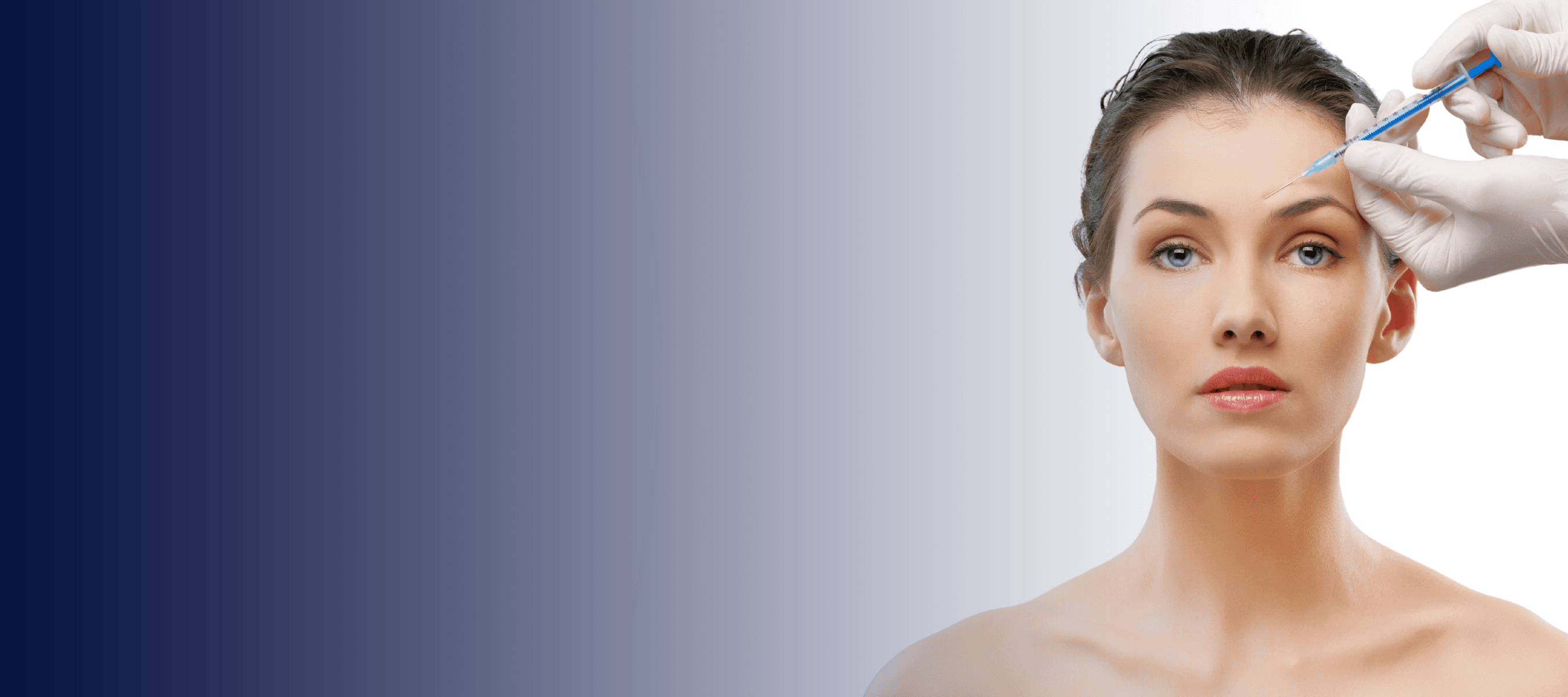
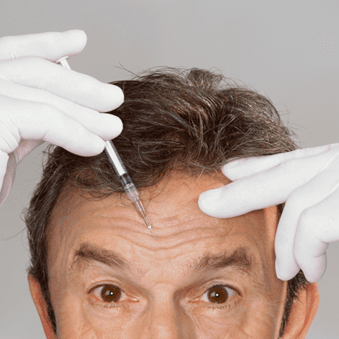
Botulinum toxin temporarily reduces muscle activity in targeted areas by blocking nerve signals to specific facial muscles. For forehead treatments, carefully placed injections into the frontalis muscle help:
- Reduce repetitive muscle contraction
- Smooth horizontal forehead creases
- Prevent deeper wrinkle formation
- Create a refreshed appearance
- Maintain balanced eyebrow positioning
The goal is not to "freeze" the forehead completely, but to achieve soft, natural movement with refined wrinkle reduction.
Specific Forehead Areas
Forehead Areas Commonly Treated With Botox
Horizontal Forehead Lines
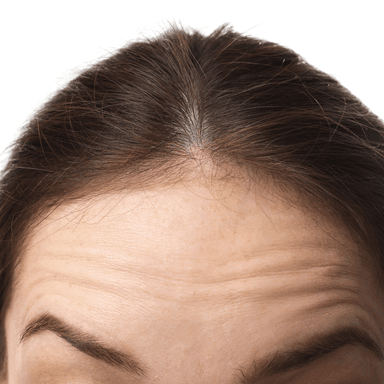
Softens visible horizontal creases created when raising the eyebrows.
Upper Forehead Texture
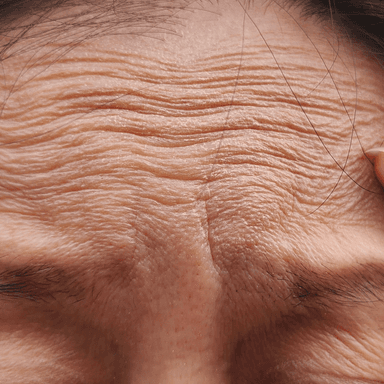
Improves overall smoothness and skin appearance.
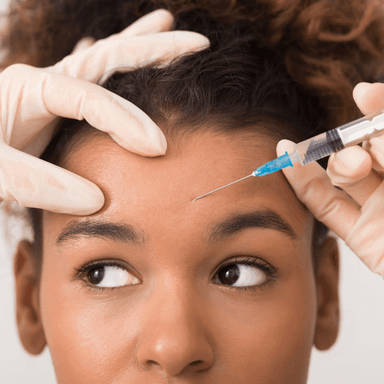
Preventive Forehead Botox
Used in younger patients to help delay the formation of deeper static lines.
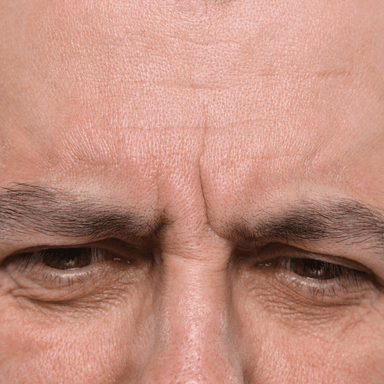
Combination Treatments
Often combined with glabellar line treatment ("11 lines") for balanced upper-face rejuvenation.
Ideal Candidates
Who Are the Ideal Patients for Forehead Line Botox?
Botox for forehead lines may be suitable for individuals who:
- Notice visible forehead wrinkles during expression
- Want preventive anti-aging treatments
- Prefer non-surgical facial rejuvenation
- Desire subtle, natural-looking improvement
- Have realistic treatment expectations
A personalized consultation is essential to assess facial anatomy, muscle activity, skin condition, and aesthetic goals.
Treatment Procedure
How to Use Botox for Forehead Lines
1. Consultation & Facial Assessment
A medical professional evaluates:
- › Forehead muscle strength
- › Eyebrow positioning
- › Existing wrinkle depth
- › Facial symmetry
- › Skin quality
- › Desired aesthetic outcome
Customized dosing is important to avoid heaviness or over-treatment.
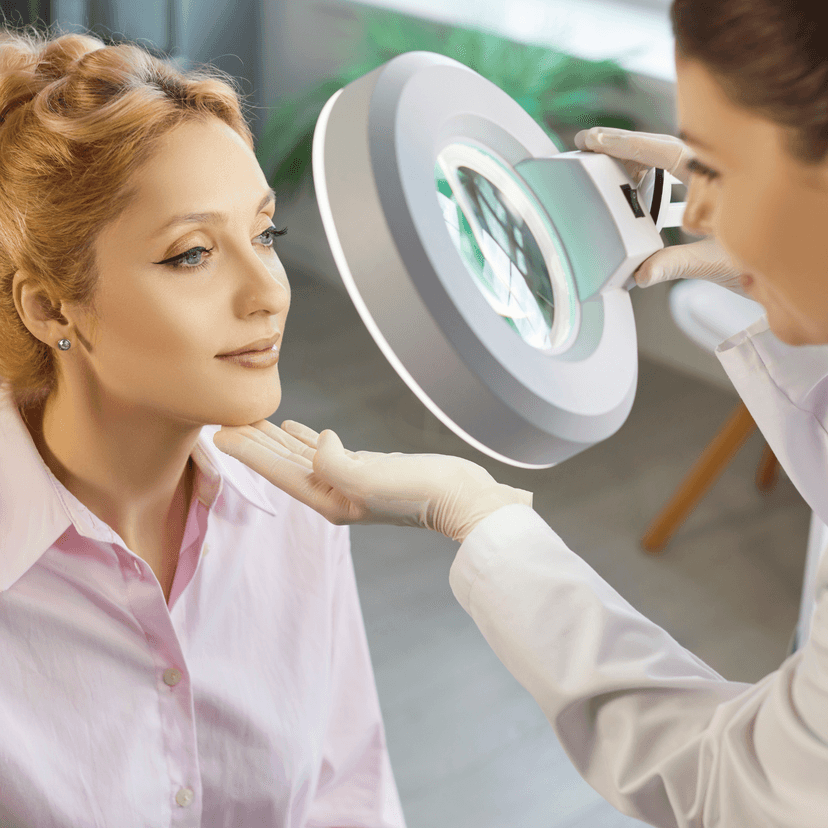
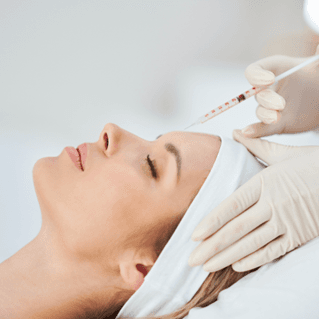
2. Injection Process
The procedure typically involves:
- Cleansing the treatment area
- Facial movement assessment
- Strategic injection mapping
- Small injections into targeted muscles
- Post-treatment evaluation
The treatment itself usually takes only a few minutes.
Expected Results
What to Expect After Forehead Botox Treatment
Immediately after treatment with Forehead Botox, patients may experience a variety of side effects. This may include mild redness or bruising, small injection marks, temporary swelling, and minor tenderness, especially in areas that were treated. Other possible side effects, although rare, can also happen, such as headache, temporary asymmetry, and eyebrow heaviness. These reactions are most likely temporary and will resolve quickly, especially after a few days. Choosing an experienced injector is essential for safety and natural-looking outcomes.
Timeline of Results
Early muscle relaxation may begin.
Visible softening of forehead lines becomes noticeable.
Full treatment results are typically achieved.
How Long Do Results Last?
Results commonly last approximately 3–6 months depending on a range of factors, from the patient's metabolism, the dosage administered, muscle strength, lifestyle factors, and the treatment history of the patient.
Initial results may not be immediately visible, as bruising and swelling may occur following the procedure. Hence, effects become apparent after a few days, and the full outcomes peak after a few weeks. Regular maintenance treatments may help prolong smoother skin appearance over time.
Benefits of Forehead Botox
What Advantages Can Botox for Forehead Lines Offer?
Botox provides several advantages over anti-aging treatments, being one of the pioneers in wrinkle reduction and restoration of youthfulness. It can produce both functional and aesthetic benefits, from facial appearance and increased confidence to one's own appearance to a decrease in dynamic wrinkles.
Aesthetic Benefits
- Smoother forehead appearance
- Softer facial expressions
- More refreshed look
- Prevention of deeper wrinkles
- Non-surgical rejuvenation
Practical Benefits
- Minimal downtime
- Quick treatment sessions
- Customizable results
- Gradual, natural enhancement
Common Combination Treatments
Can Forehead Botox Be Combined With Other Aesthetic Treatments?
Essentially yes, Forehead Botox can be frequently combined with multiple procedures such as the following:
- Glabellar line treatment
- Crow's feet Botox
- Brow lift Botox
- Dermal fillers
- Skin boosters
- Collagen-stimulating treatments
Combination approaches can provide more balanced facial rejuvenation. It is important to curate a treatment protocol based on an in-depth evaluation by a medical practitioner.
Aftercare Guidelines
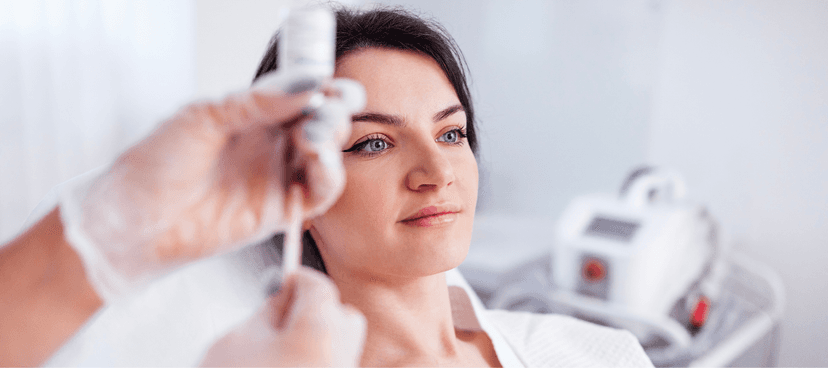
What Are the Aftercare Instructions Following a Forehead Botox Procedure?
Proper aftercare helps support optimal product placement and results. Patients are commonly advised to:
- Avoid rubbing the treated area for several hours
- Remain upright after treatment
- Avoid intense exercise temporarily
- Avoid excessive heat exposure immediately after treatment
- Follow provider-specific instructions carefully
Frequently Asked Questions
Common Questions About Botox for Forehead Lines
Will my forehead look frozen?
Not necessarily. Modern Botox techniques focus on maintaining natural movement while softening wrinkles. The goal of a well-performed forehead Botox treatment is typically to create a refreshed and smoother appearance and not a completely immobile forehead. Many patients today prefer a more subtle, natural-looking result where forehead lines appear softened while maintaining a normal expression.
Is forehead Botox painful?
Most patients describe the injections as quick and minimally uncomfortable. An anesthetic can be applied before the treatment if pain tolerance is low. The injections are performed using very fine needles or cannulas, and the treatment itself usually takes only a few minutes.
Can forehead Botox prevent wrinkles?
Yes. Preventive Botox may help reduce repetitive muscle movement that contributes to deeper wrinkle formation over time. It is one of the most common reasons younger patients begin treatment.
How often should treatments be repeated?
Many patients maintain results every 3–6 months depending on their treatment goals and muscle activity. Treatment schedules are usually personalized based on the patient's goals and response to previous sessions.
Can forehead Botox be combined with other procedures?
Yes. It is commonly paired with fillers, skin rejuvenation treatments, and collagen-stimulating procedures. By combining Botox with these aesthetic treatments, it enhances anti-aging effects and produces more comprehensive facial rejuvenation results.
Subtle Refinement. Naturally Refreshed.
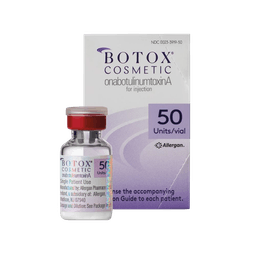
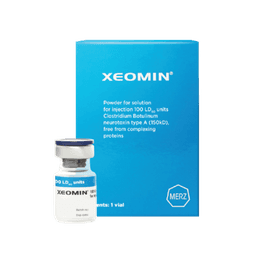
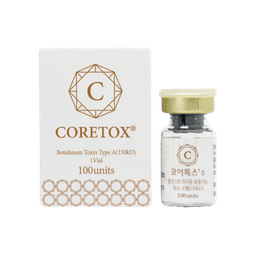
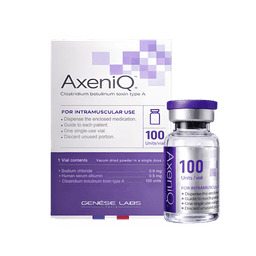
Forehead Botox treatments offer a non-surgical approach to smoother skin, softer expression lines, and preventive facial rejuvenation — helping patients maintain a naturally youthful appearance with precision and balance. Ready to purchase premium Botox brands? Choose from our wide range of collections of botulinum toxin products!

More Guides