Treatment Guide
How To Use Botox for Frown Lines
15 Guides
Expert
Treatment Guides
28 Products
In our Botox
Portfolio
Korean & Int'l
Brand Coverage
Knowledge Base
What Are Glabellar Frown Lines?
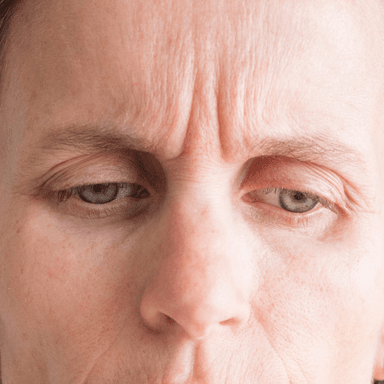
Glabellar wrinkles form primarily due to repeated contraction of the corrugator and procerus muscles located between the eyebrows. Frequent frowning, squinting, concentration, stress, and natural facial expression gradually create dynamic wrinkles that may eventually become static lines visible even without movement. As collagen and skin elasticity decline with age, these lines often become deeper and more difficult to soften through skincare alone. Sun exposure, dehydration, genetics, and lifestyle factors may also contribute to the progression of glabellar wrinkles over time.
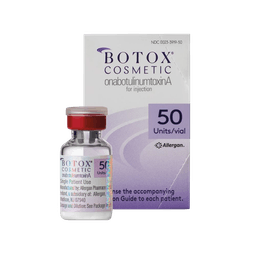
The ideal treatment for glabellar frown lines is using Botox, with brands local and international having shown a high effective rate and long-lasting duration. Research on the impact the brand Allergan Botox has on glabellar wrinkle reduction demonstrated promising results, helping multiple patients restore their youthfulness and continuous confidence in their own facial features.
How Botox Works for Frown Lines
Softening the "11 Lines" with Precision & Natural Expression
Botulinum toxin works by temporarily reducing the activity of targeted facial muscles responsible for repetitive skin folding. When carefully injected into the glabellar complex, Botox helps relax the muscles that pull the eyebrows inward and downward, softening the appearance of vertical frown lines.
The goal of treatment is not to completely eliminate facial expression, but rather to reduce excessive muscle contraction while preserving natural movement and facial balance. Many patients notice that they appear more approachable, rested, and refreshed after treatment.
As an overview, treatment for glabella lines using Botox can help improve the following:
- Soften vertical "11 lines"
- Reduce excessive muscle contraction
- Improve upper-face balance
- Prevent deeper wrinkle formation
- Create a more refreshed appearance
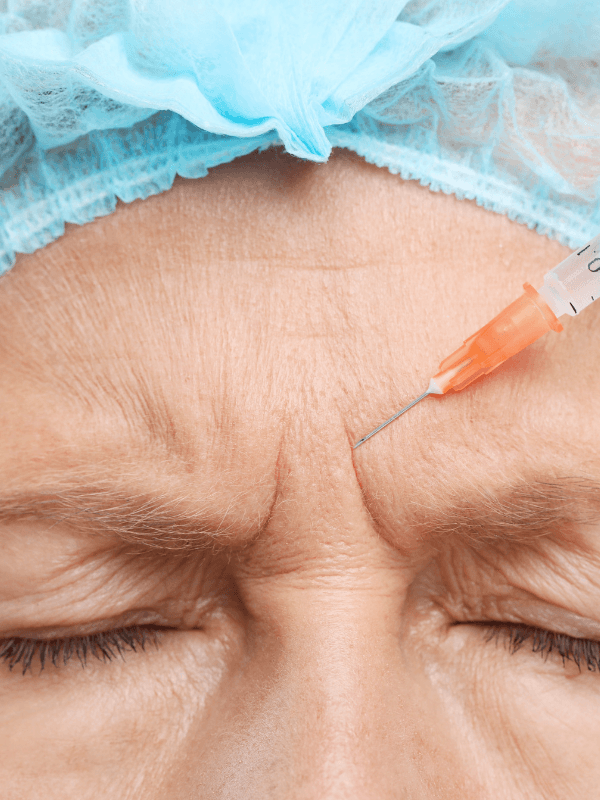
Specific Upper Facial Areas & Injection Technique
What Areas Can Be Treated With Botox?
Botox injection in the glabella is very anatomy-dependent and requires careful assessment of muscle strength, facial symmetry, and brow position. The corrugator muscles, which pull the brows in, and the procerus muscle, which creates horizontal tension at the bridge of the nose, are usually the main treatment targets.
Experienced injectors will usually tailor placement and dosage to the patient's pattern of facial movement and the depth of wrinkling. In some cases, glabellar treatments can be combined with forehead Botox or brow-lift techniques to achieve a more balanced upper face.
Corrugator Muscles
Targets the muscles responsible for inward brow pulling.

Procerus Muscle
Softens horizontal tension at the bridge of the nose.
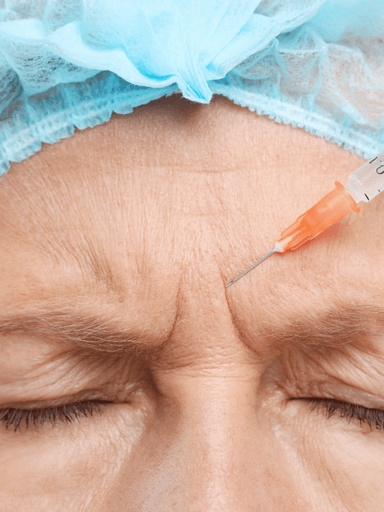
Upper Glabellar Complex
Improves overall frown-line appearance and facial balance.
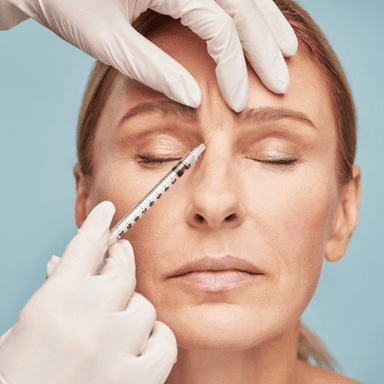
Combination Upper-Face Treatments
Often combined with forehead Botox and crow's feet treatments.
Ideal Candidates
Who Are the Ideal Patients for Botox for Frown Lines?

Botox for glabellar lines is commonly chosen by individuals who are beginning to notice vertical frown lines during facial expressions or those with deeper wrinkles that remain visible at rest. It is also a popular preventive treatment among younger patients who wish to slow the formation of static wrinkles over time. The following are the ones that can benefit the most:
- Notice visible "11 lines" during expression
- Have deeper frown wrinkles at rest
- Want preventive anti-aging treatments
- Prefer non-surgical rejuvenation
- Desire subtle, natural-looking results
Patients seeking non-surgical facial rejuvenation, subtle wrinkle reduction, or a softer facial appearance may benefit from treatment after professional consultation and facial assessment.
Treatment Procedure
How to Use Botox for Facial Frown Lines
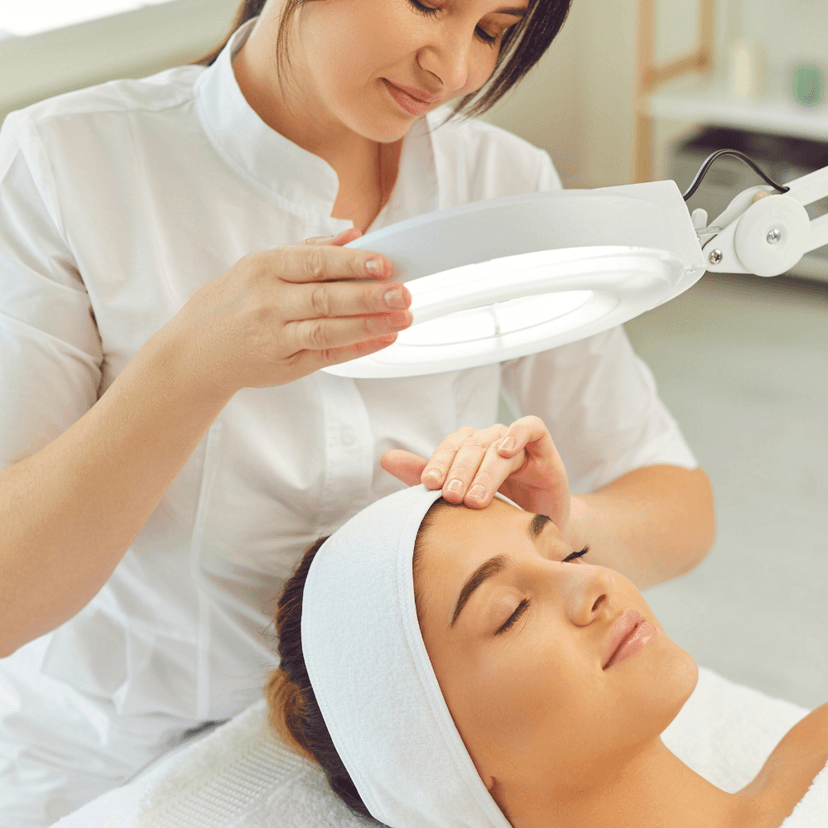
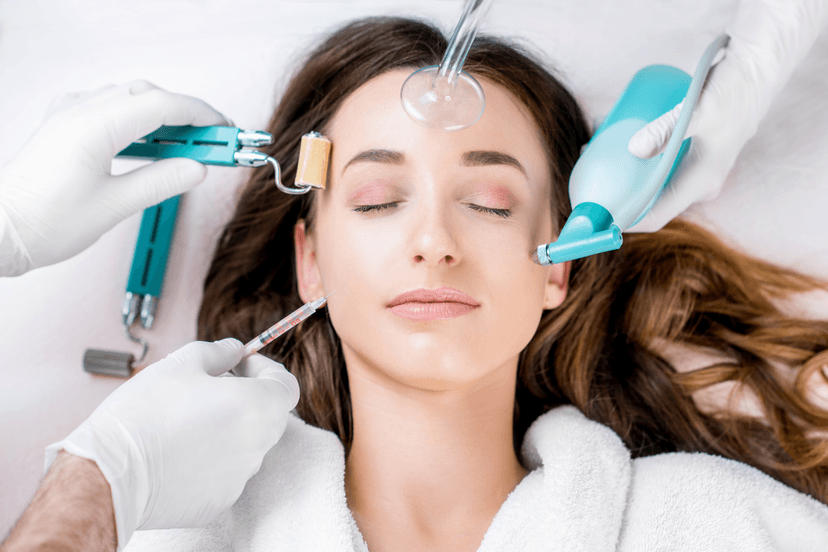
The treatment itself is typically quick and minimally invasive. Before the procedure begins, the injector evaluates a variety of factors and conditions, assessing whether Botox for frown lines is the best and right treatment for the patient. Small amounts of Botox are then injected using fine needles with precise placement techniques, but the full dosage will still depend on the discretion and evaluation of the doctor. Most patients tolerate the procedure well, and treatment sessions usually take only several minutes to complete.
1. Consultation & Facial Assessment
A medical professional typically evaluates the following:
- › Facial anatomy
- › Muscle strength
- › Skin condition
- › Existing wrinkle formation
- › Facial symmetry
- › Desired treatment outcome
Preventive Botox treatments often require a customized and conservative approach.
2. Injection Process
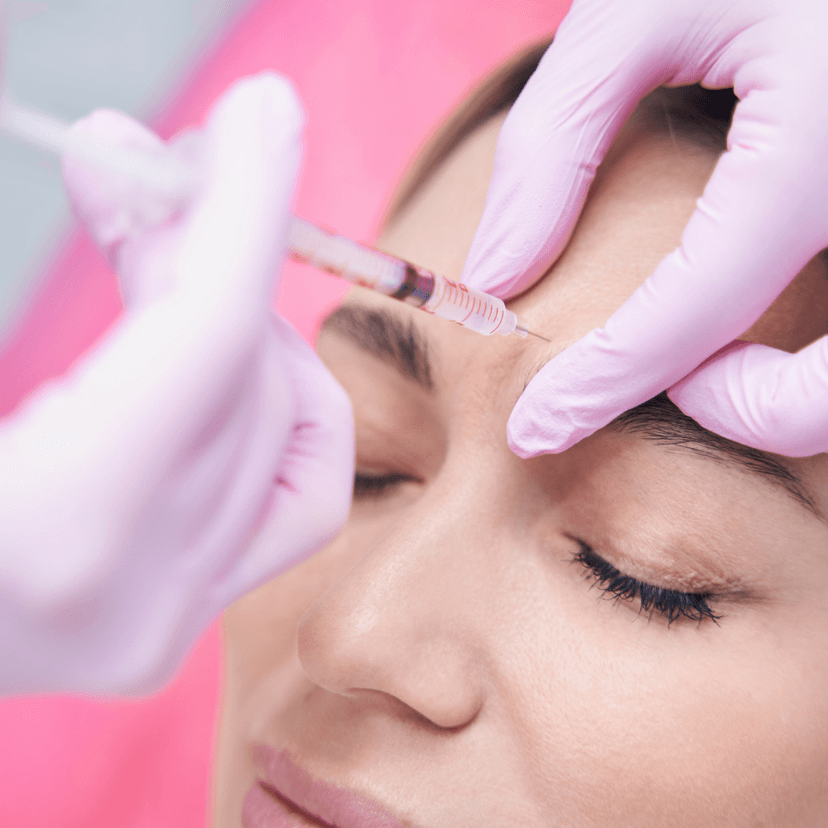
The treatment process commonly includes:
- Cleansing the treatment area
- Facial movement assessment
- Strategic injection mapping
- Precise low-dose injections
- Post-treatment evaluation
Treatment sessions are generally quick and minimally invasive.
Expected Results
What to Expect After Frown Lines Botox Treatment
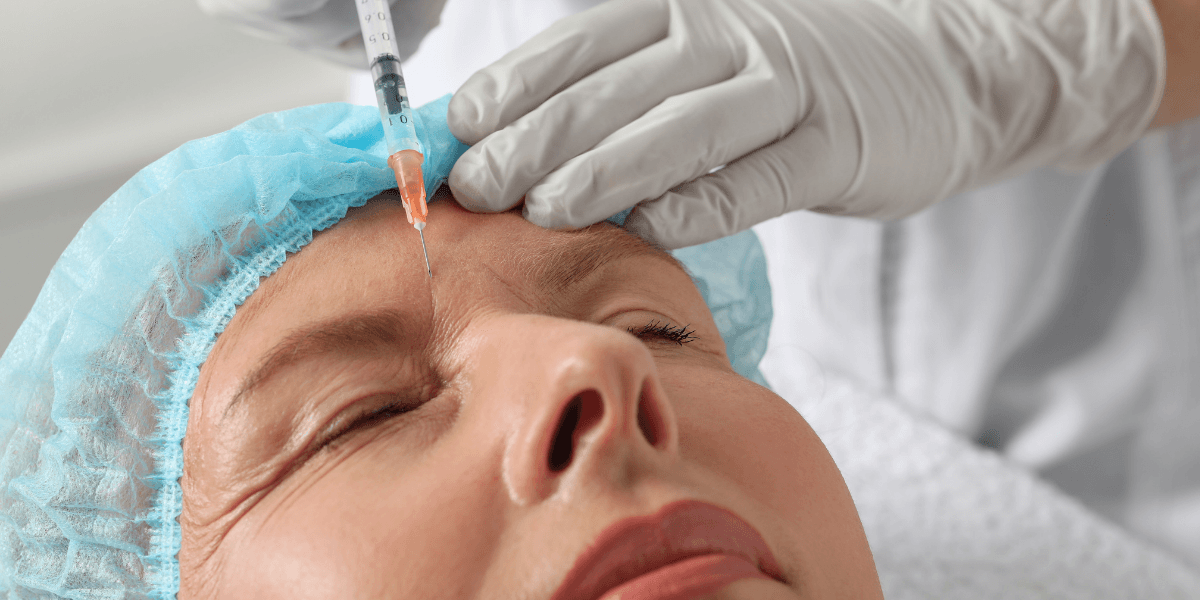
Early muscle relaxation may begin appearing within several days, while full results commonly develop within one to two weeks. As the muscles gradually relax, the glabellar lines typically appear softer and less pronounced.
Mild redness, swelling, or tenderness at the injection sites may occur temporarily after treatment, but these effects generally resolve quickly. Other side effects that patients may experience include temporary asymmetry, eyebrow heaviness, eyelid drooping, temporary tightness sensation, and mild headaches. Choosing an experienced injector is critical for achieving safe and natural-looking results.
Timeline of Results
Early muscle relaxation may begin.
Visible softening of glabellar lines becomes more noticeable.
Full treatment results are finally achieved.
How Long Do Results Last?
Results following treatment using Botox for glabella lines generally last 3–6 months and depend on a number of factors, including the dose given, the patient's metabolism, muscle activity, lifestyle factors, and the specific product used.
Moreover, there are studies on a specific type of botulinum strain, incobotulinumtoxinA, that have further displayed its high efficacy rate and long-lasting outcomes throughout the clinical trial, making it a great opportunity for those wanting to switch from the standard toxin to a newer and more specific neurotoxin for more consistent and natural-looking results.
Benefits of Using Botox for Frown Lines
What Advantages Can Botox for Frown Lines Offer?
Botox has several advantages over other anti-aging treatments, including being a pioneer in wrinkle reduction and youthfulness restoration. It can provide both functional and aesthetic benefits, ranging from improved facial appearance and increased confidence in one's own appearance to a reduction in dynamic wrinkles.
Botox for frown lines may help improve facial softness and upper-face balance while reducing the appearance of tension or stress-related expression. Many patients appreciate the treatment for its ability to provide visible rejuvenation without surgery, extended recovery, or dramatic changes in appearance.
Aesthetic Benefits
- Softer "11 lines"
- More refreshed appearance
- Reduced angry or tired look
- Prevention of deeper wrinkles
- Improved upper-face harmony
Practical Benefits
- Non-surgical treatment
- Minimal downtime
- Quick procedure time
- Customizable treatment plans
- Natural-looking enhancement
Common Combination Treatments
What Type of Aesthetic Treatments Can Be Combined With Botox for Frown Lines?
Botox treatments for glabella frown lines can be paired with other aesthetic procedures, such as the following:
- Forehead Botox
- Crow's feet treatments
- Skin boosters
- Dermal fillers
- Laser resurfacing
- Collagen stimulators
Combination approaches can improve both muscle-related wrinkles and overall skin quality. It is important to curate a treatment protocol based on an in-depth evaluation by a medical practitioner.
Aftercare Guidelines
What Are the Aftercare Instructions Following a Botox Procedure for Facial Frown Lines?
Proper aftercare promotes optimal product placement and results. Patients are often advised to:
- Avoid rubbing the treated area temporarily
- Remain upright after treatment
- Avoid strenuous exercise temporarily
- Follow provider-specific aftercare instructions carefully

Frequently Asked Questions
Common Questions About How To Use Botox for Frown Lines
Will I still be able to move my eyebrows after treatment?
Yes. Modern Botox techniques aim to soften excessive muscle activity while preserving natural facial movement and expression. The goal is usually a refreshed and balanced appearance rather than a completely frozen look.
How long does it take to see results?
Initial improvements may appear within several days, while full results are generally visible after one to two weeks. Most patients experience results lasting approximately 3–6 months.
Can Botox prevent deeper frown lines from forming?
Yes. Preventive Botox may help reduce repetitive muscle movement that contributes to the development of deeper static wrinkles over time.
Is glabellar Botox painful?
Most patients describe the injections as quick and minimally uncomfortable. Fine needles are typically used, and the treatment itself usually lasts only a few minutes.
Can deep "11 lines" disappear completely?
Botox can significantly soften deep dynamic wrinkles, but very established static lines may also require complementary treatments such as skin resurfacing, microneedling, or dermal fillers for optimal improvement.
Softer Expression. Refined Confidence.
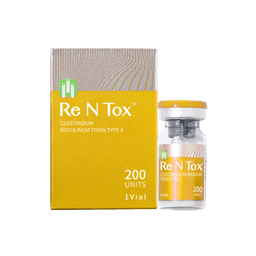
Botox for glabellar lines offers a precise and non-surgical approach to smoother skin, a balanced facial expression, and refreshed upper-face rejuvenation. Ready to purchase premium Botox brands? Choose from our wide range of collections of botulinum toxin products!


More Guides