Treatment Guide
How Botox Helps Control Excessive Sweating

15 Guides
Expert
Treatment Guides
28 Products
In our Botox
Portfolio
Korean & Int'l
Brand Coverage
Knowledge Base
What is Hyperhidrosis?
Hyperhidrosis is a medical condition characterized by excessive sweating beyond what is necessary for normal body temperature regulation. Individuals with hyperhidrosis may sweat excessively even in cool temperatures or without physical activity. The condition can affect localized areas of the body or occur more generally throughout the body, such as the underarms, hands, feet, and the back and chest.
Hyperhidrosis can range from mild to severe and may interfere with daily activities, emotional confidence, and personal relationships. While botulinum toxin injections are widely recognized for cosmetic wrinkle reduction, they are also FDA-approved for treating severe underarm sweating and are commonly used off-label for excessive sweating in other areas of the body.
This comprehensive guide explores everything you need to know about hyperhidrosis Botox treatment, including causes, treatment areas, benefits, procedure steps, results timeline, side effects, aftercare, and commonly used neurotoxin products.
How Hyperhidrosis Botox Works
How Botox Treats Excessive Sweating
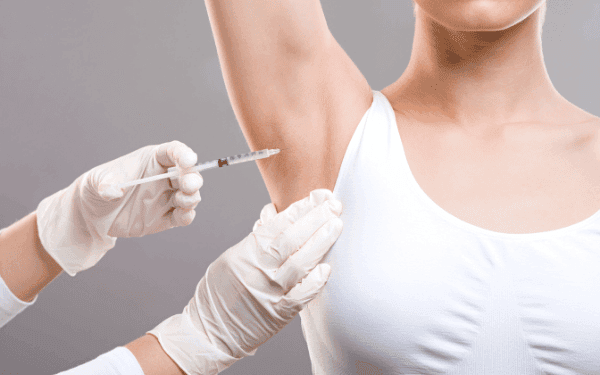
Botox works by temporarily blocking the chemical signals from nerves that stimulate sweat glands. Normally, nerves release a neurotransmitter called acetylcholine, which activates sweat production. When Botox is injected into the treatment area, it interrupts these nerve signals and significantly reduces sweat gland activity.
Unlike cosmetic Botox, which relaxes muscles to reduce wrinkles, hyperhidrosis Botox specifically targets the activation of sweat glands. The treatment does not permanently damage the sweat glands and affects sweating only in the treated area. Patients often experience a major reduction in sweating, leading to improved comfort, confidence, and quality of life.
Specific Areas for Hyperhidrosis Botox
What Areas Can Be Treated With Hyperhidrosis?
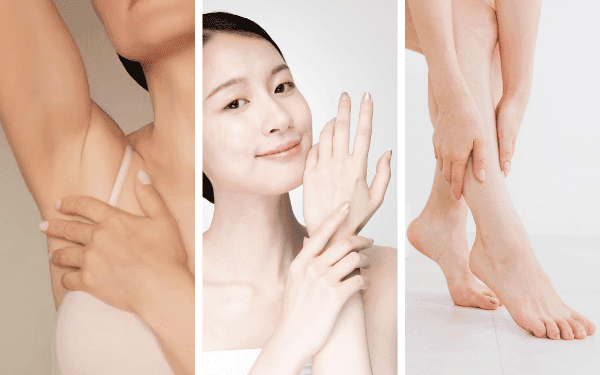
The following are the recommended areas around the whole body where excessive sweating can often occur and can be treated with Botox for a more stress-free and comfortable daily life:
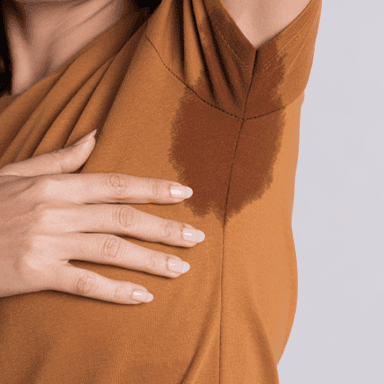
Underarms (Axillary Hyperhidrosis)
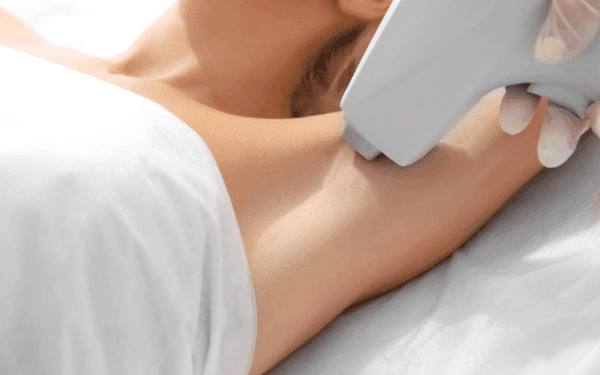
Underarm sweating is one of the most commonly treated forms of hyperhidrosis. Botox injections can significantly reduce sweat production and help prevent visible sweat stains and odor issues.
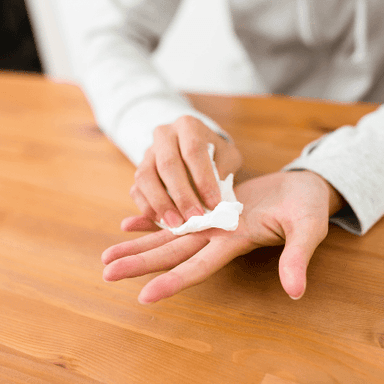
Hands (Palmar Hyperhidrosis)
Excessive sweaty hands can interfere with daily tasks such as writing, typing, shaking hands, playing sports, or holding objects, such as electronic devices. Botox helps reduce moisture and improve grip control and dryness. However, because the palms are more sensitive, treatment may involve stronger discomfort management techniques.
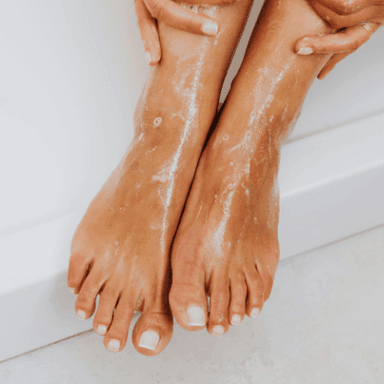
Feet (Plantar Hyperhidrosis)
Foot sweating may contribute to discomfort, odor, fungal infections, skin irritations, and difficulty wearing certain footwear. Botox can help reduce excessive moisture in the soles of the feet and improve foot comfort.
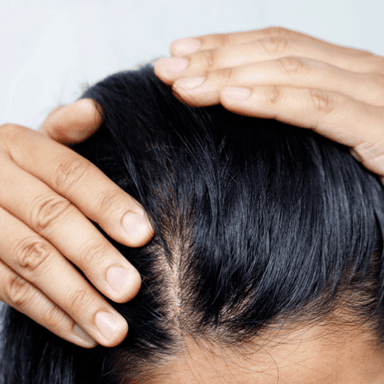
Face and Scalp (Craniofacial Hyperhidrosis)
Facial sweating can be emotionally distressing and may affect makeup wear, social interactions, and professional confidence. Botox may be used carefully in these delicate areas to reduce excessive sweating.
Ideal Candidates
Who Are The Best Candidates for Hyperhidrosis Botox?

Hyperhidrosis Botox may be suitable for patients who:
- Experience excessive sweating that interferes with daily life
- Have not achieved adequate results from antiperspirants
- Want a non-surgical treatment option
- Are in good general health
- Have realistic treatment expectations
Patients with certain neurological disorders, allergies to botulinum toxin ingredients, or active infections near the treatment area may not be ideal candidates.
Treatment Procedure
What Happens During a Hyperhidrosis Botox Treatment Process?
Botox treatments for hyperhidrosis may last depending on the treatment area and how severe the condition is, so it may be quick or longer lasting for about 30 to 45 minutes. It is also a minimally invasive procedure, perfect for those who do not want to undergo surgery. The procedure usually begins with a consultation and an overall assessment of the condition. The target areas are then cleansed before small amounts of the chosen neurotoxin are injected into targeted muscles using a fine needle. Discomfort is minimal and often described as a brief pinching sensation. Many patients return to normal daily activities immediately after treatment, experiencing highly satisfying results.
1. Consultation & Assessment
The treatment process begins with a consultation where the practitioner evaluates the patient’s sweating severity, medical history, and treatment goals.
The doctor may ask questions regarding sweating triggers, areas affected, previous treatments attempted, impact on daily activities, and medical conditions and medications. In some cases, a starch-iodine test may be performed to identify areas of excessive sweat production.
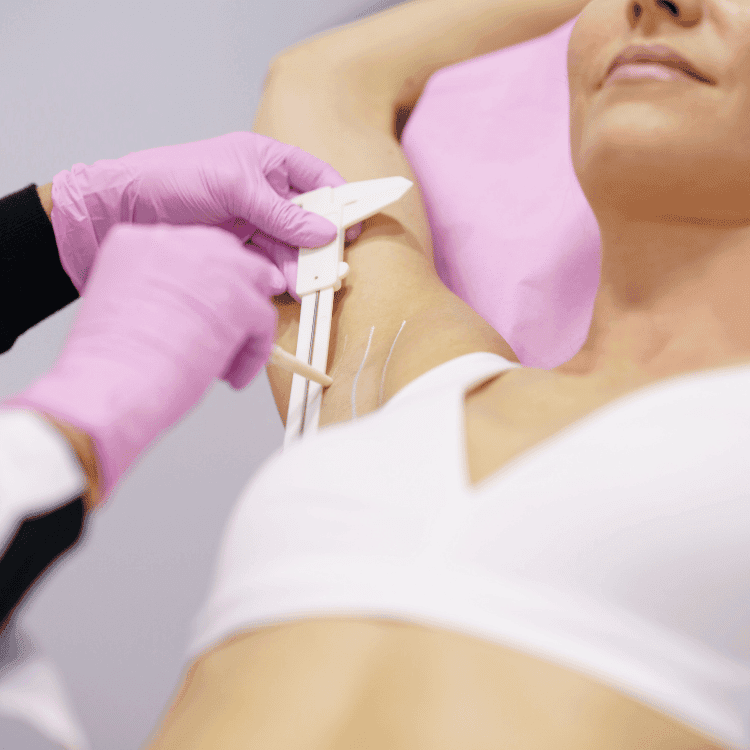
2. Injection Process
According to a customized treatment plan, the number of injections and Botox units varies depending on the target area and sweating intensity. The procedure generally includes:
- Cleansing the treatment area
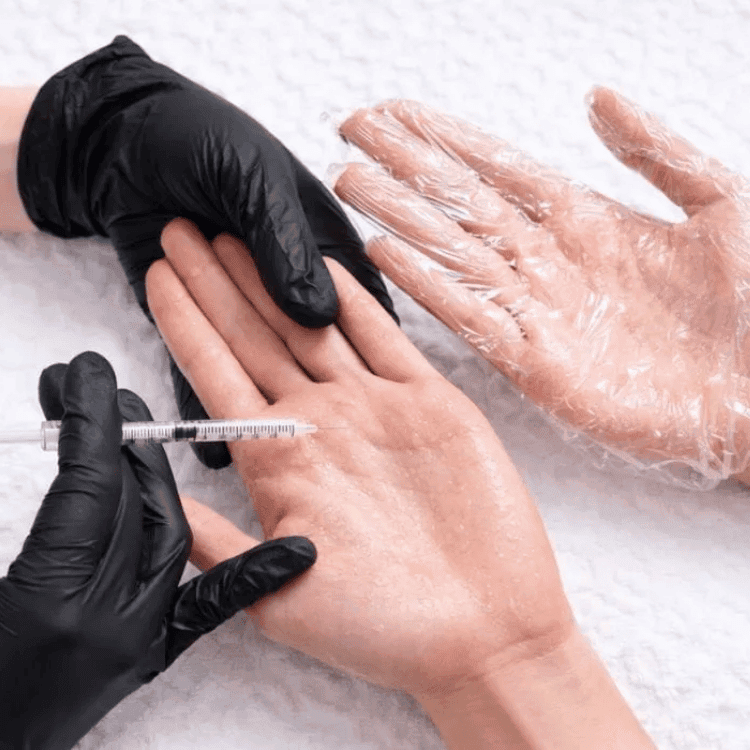
- For sensitive areas such as the hands or feet, numbing cream or ice may be applied to improve comfort during treatment.
- Strategic injection mapping and product selection
- Precise Botox placement
- Post-treatment evaluation
The injections are spaced evenly to ensure comprehensive sweat reduction coverage. Treatment duration varies depending on the area treated. For example, excessive sweating on the underarms would take approximately 15 to 30 minutes. On the other hand, sweating on the hands or feet might take longer, about 30 to 45 minutes. Most patients tolerate the procedure well. Patients can usually resume normal activities immediately after treatment.
Expected Results
What to Expect After Treatment of Excessive Sweating with Botox
Botox significantly reduces sweating in treated areas but does not completely eliminate all sweat production. Sweating is still possible in untreated body areas, allowing the body to maintain normal temperature regulation. Most patients experience enough reduction to greatly improve comfort and confidence.
Also, Botox for hyperhidrosis is generally considered safe when performed by qualified medical professionals. Botox has been extensively studied and widely used for both medical and cosmetic purposes worldwide.
Temporary side effects following hyperhidrosis treatment with Botox may include redness, swelling, bruising, tenderness, and mild discomfort. Less common risks may include temporary muscle weakness, hand weakness after palmar injections, compensatory sweating in other areas, and infection at injection sites. Since these areas are sensitive, it needs precision and accurate treatment for optimal results. Most side effects are temporary and resolve gradually.
Timeline of Results
Sweat gland nerve signals are beginning to be blocked
Excessive sweating is noticeably reduced and areas feel more comfortable
Sweat production returns and might need maintenance treatments for long-term effects.
How Long Do Results Last?
Most hyperhidrosis Botox treatments last approximately 4 to 6 months, although some patients experience longer-lasting results. Treatment longevity depends on factors such as the patient’s metabolism, sweating severity, treatment area, product used, and the patient’s lifestyle. Regular maintenance sessions help sustain long-term sweat reduction.
Benefits of Using Hyperhidrosis Botox
What Advantages Can Botox for Excessive Sweating Offer?
Today, many aesthetic and medical clinics worldwide use advanced botulinum toxin formulations, including Korean neurotoxins, for hyperhidrosis treatment due to their reliable performance, affordability, and precision.
Botox treatment for excessive sweating offers multiple benefits to the individual when administered properly. The following are the advantages of using Botox treatment to treat excessive sweating in different areas of the body:
Significantly Reduces Excessive Sweating
- One of the biggest benefits is the dramatic reduction in sweat production in treated areas.
Improves Confidence
- Patients often feel more comfortable in social, professional, and physical situations after treatment.
Non-Surgical Treatment
- Botox offers a minimally invasive solution without surgery or major downtime.
Long-Lasting Results
- Many patients experience several months of sweat reduction after treatment.
Quick Procedure
- Most sessions are completed within 30 to 45 minutes, depending on the treatment area.
Improves Quality of Life
- Reducing excessive sweating can positively affect clothing choices, physical comfort, and emotional well-being
Common Combination Treatments
What Type of Aesthetic and Skincare Treatments Can Be Combined With Hyperhidrosis Botox?
Although Botox significantly helps reduce excessive sweating, it works best alongside a comprehensive skincare routine that can be easily followed regularly by the patient. Being comfortable with one’s own skin enhances overall treatment outcomes and supports long-term effects. Hyperhidrosis Botox may not be the only answer, but it can be a part of the solution to the prevalent issue of excessive sweating in different areas of the body. Important skincare practices include:
- Prescription Antiperspirants Often considered first-line treatment but may cause irritation or provide limited relief.
- Oral Medications Certain medications reduce sweating but may cause systemic side effects such as dry mouth or dizziness.
- Iontophoresis Uses electrical currents to reduce sweating, particularly in the hands and feet.
- Microwave Therapy Destroys or inhibits the overproduction by the sweat glands using thermal energy.
Aftercare Guidelines
What Are the Aftercare Instructions Following a Botox Procedure for Hyperhidrosis?
Proper aftercare helps optimize results and reduce unwanted side effects. Patients can usually resume normal activities immediately after treatment. Following aftercare recommendations helps ensure the neurotoxin settles properly within the targeted muscles. Patients are commonly advised to:
- Avoid strenuous exercise for 24 hours
- Avoid saunas or excessive heat exposure
- Keep the treated area clean
- Avoid rubbing or irritating the area
Frequently Asked Questions
Common Questions About How Botox Helps Control Excessive Sweating
Is Botox FDA-approved for hyperhidrosis?
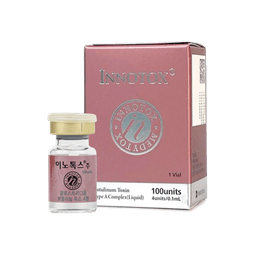
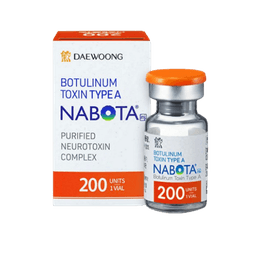
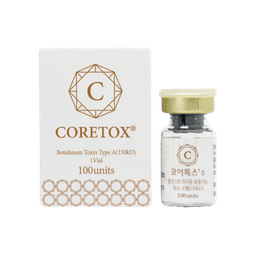
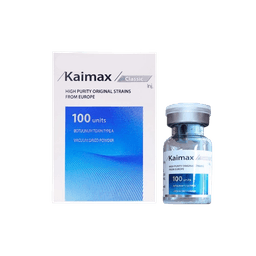
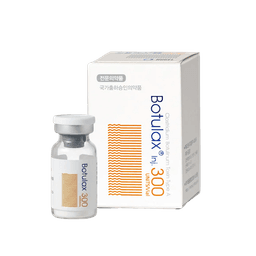
Yes. Botox is FDA-approved for treating severe underarm sweating. Korean Botox brands that are perfect for hyperhidrosis treatment are Nabota, Innotox, Botulax, Coretox, and Kaimax. Different products vary in formulation, diffusion, onset speed, and purification technology. Many clinics choose Korean neurotoxins because they offer effective performance at competitive pricing while maintaining high manufacturing standards.
Does hyperhidrosis Botox hurt?
Most patients tolerate treatment well. Sensitive areas such as hands and feet may cause more discomfort, but numbing methods can help.
How soon will I notice less sweating?
Most patients notice significant improvement within 1 to 2 weeks. At the 1 ot 2 week mark, treated areas feel a lot drier, fresher, and more comfortable for the patient. Also, daily activities become a lot easier and more manageable.
Will sweating increase elsewhere?
Some patients may experience mild compensatory sweating in untreated areas, although this is generally uncommon.
Can hyperhidrosis Botox be combined with cosmetic Botox?
Yes. Many patients receive both cosmetic and medical Botox treatments during the same appointment.
Is hyperhidrosis Botox permanent?
Unfortunately, no. A hyperhidrosis Botox procedure produces results that are temporary and require maintenance treatments.
Experience Less Sweaty Armpits, Hands, Feet, Face Without Surgery.
Hyperhidrosis Botox has become one of the most effective and widely used non-surgical treatments for excessive sweating. By temporarily blocking the nerve signals responsible for activating sweat glands, Botox helps patients achieve drier skin, improved comfort, and greater confidence in daily life. Whether treating underarms, hands, feet, or facial sweating, Botox offers a minimally invasive solution with relatively quick results and little downtime. When performed by a qualified provider using high-quality neurotoxin products, hyperhidrosis Botox can significantly improve quality of life while providing safe and reliable sweat reduction for months at a time. Ready to purchase premium Botox brands? Choose from our wide range of collections of botulinum toxin products!
More Guides